MemoHoney Official Website › Articles › Order and product records
Order and product recordsKeep an Order Record Separate From a Product Record
Keep the bottle information and the purchase information together, but do not make them prove the same thing. One identifies a product; the other identifies a transaction.
An order record and a product record do different work
A buyer often receives two kinds of information at once: a product page and an order confirmation. They look equally official, but they answer different questions. The product record identifies what the seller says is being sold. The order record identifies a specific transaction: what was purchased, on which date, and which order ID belongs to the payment.
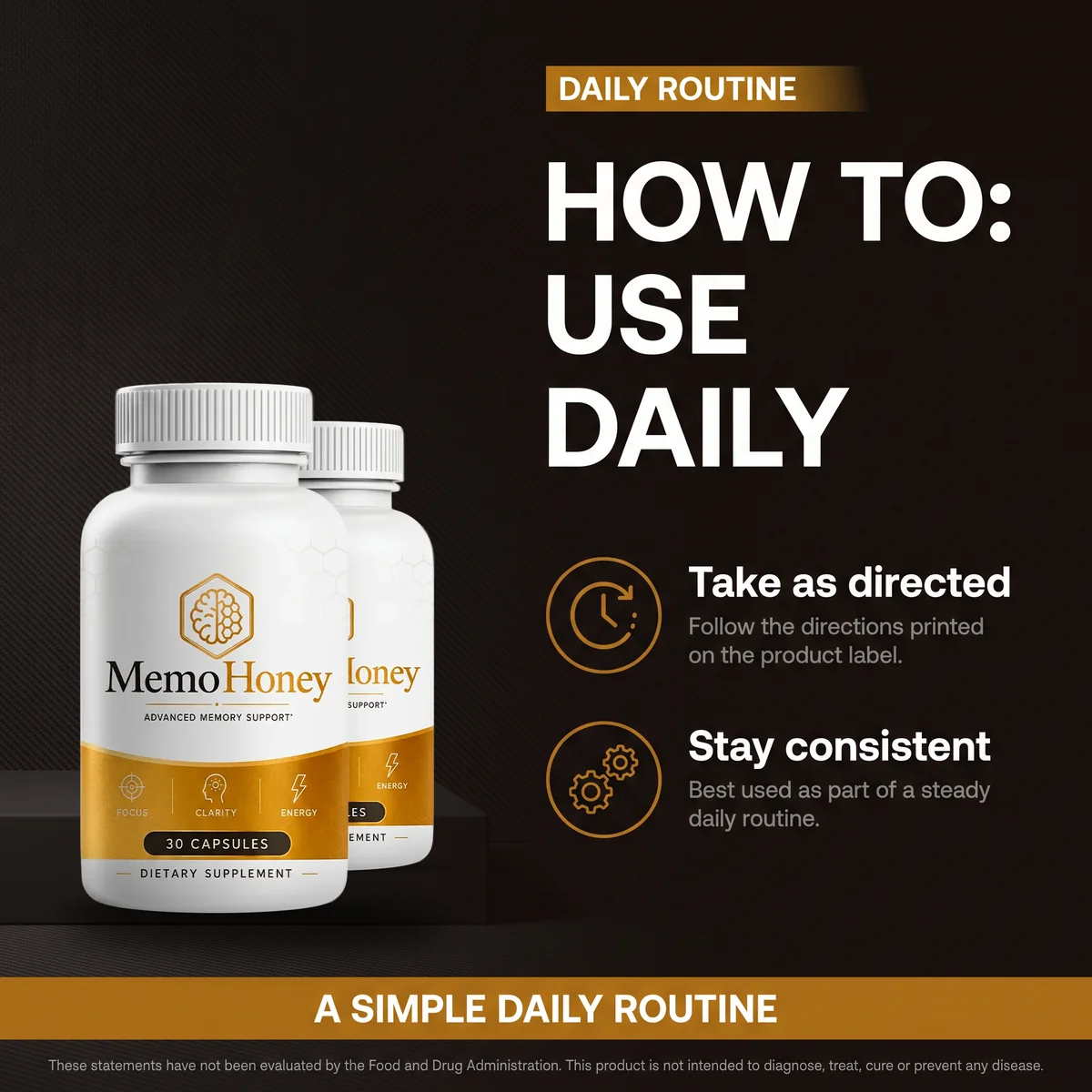
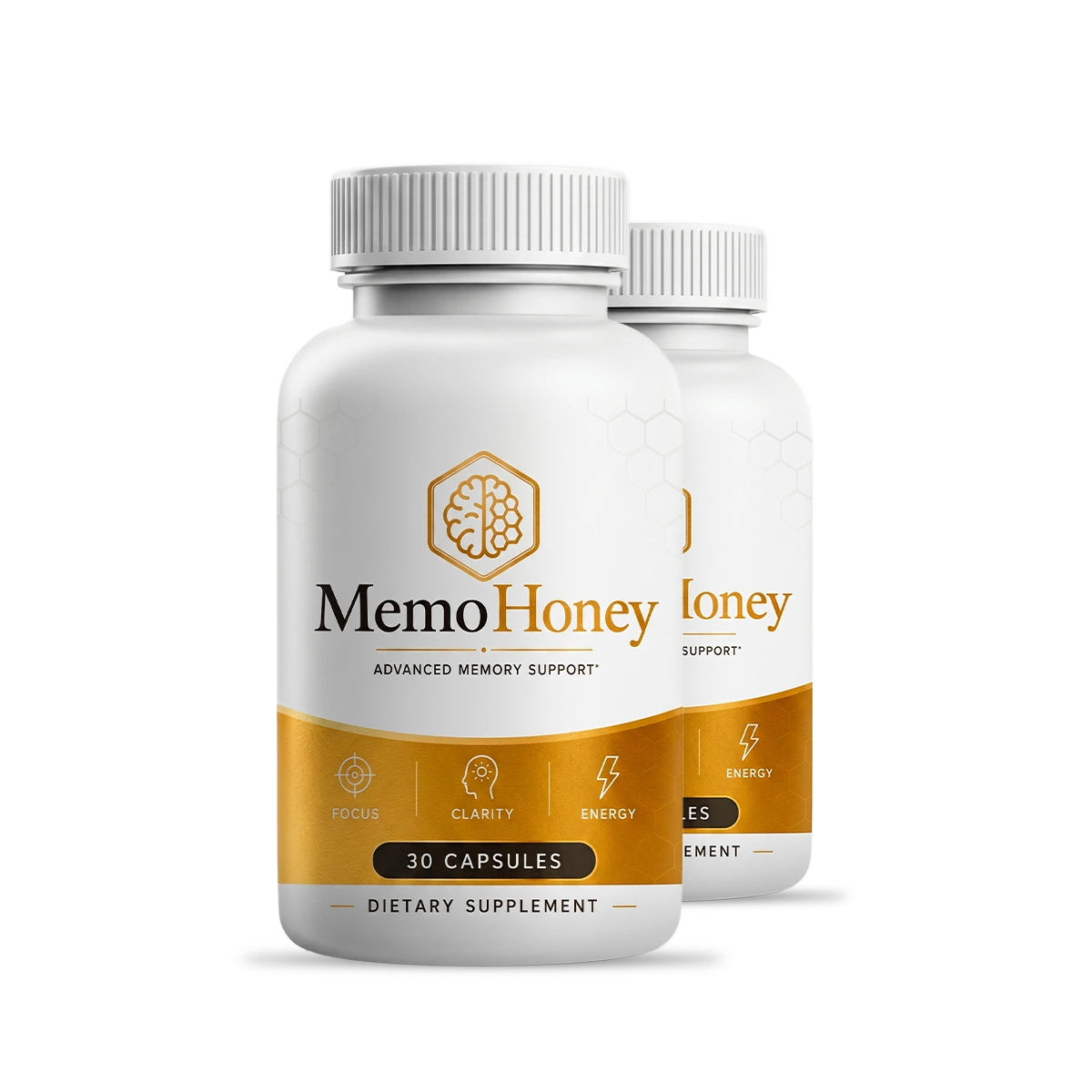
MemoHoney's supplied materials identify a 30-capsule bottle, a once-daily direction, six named ingredients, and a 60-day guarantee counted from purchase. An order confirmation does not add an ingredient amount to that record, and the label does not prove a parcel was accepted for a refund. Each is useful precisely because it is limited.
Keeping the two records apart prevents a common mistake: allowing a purchase receipt to become evidence of product performance, or allowing a product photo to replace the transaction details needed for service. A clear folder or saved email thread is mundane, but it gives the buyer a reliable place to start when a question arises.
| Record | What it can identify | What it cannot decide by itself |
|---|---|---|
| Product label | Named ingredients, count and directions | A person's safety or a clinical outcome |
| Lot reference | A production run | A purchaser or refund request |
| Order ID | A specific transaction | Formula quality or benefit |
| Purchase date | The stated guarantee clock | Delivery, processing or card-posting dates |
| Tracking receipt | A parcel's movement | Whether a refund is owed |
Different records answer different questions. Keeping them distinct makes a service request easier without turning it into health evidence.
The decision record should exist before the payment record
The best time to collect the information that would change a purchase is before the guarantee clock starts. The supplied terms say the 60 days begin on the date of purchase and ask for 30 days of use before a claim is heard. A buyer who waits for an uncertainty to become urgent has already spent part of the period in which the decision can be changed.
For this product, the most useful pre-payment record is simple: the product name, the selected pack, the published price and conditions, the ingredient names, the lack of printed amounts in the supplied artwork, the seller's contact route, and the return terms. These points can be compared without making a promise about a result.
A question that cannot be answered before payment may still be answerable later, but it should not be quietly treated as answered. If an amount, testing result or dietary confirmation would decide the purchase, ask for it in a form that can be saved. A promotional image is not a substitute for an answer to a precise question.
A lot reference and an order ID identify different things
A lot reference identifies a production run. On this site, the displayed lot is MEM-26/ME-8302 and the certificate reference is MEM-8302-26-ME. Those strings can help identify what bottle a buyer received or what document a seller says is on file. They do not identify the purchaser, payment, delivery date or refund request.
An order ID works in the other direction. It ties a name, email and payment record to a transaction. It does not prove a formula was tested or show what every capsule contains. For a service question, both identifiers can be useful, but they should not be confused. One follows the product run; the other follows the order.
That distinction matters if a buyer contacts customer service. A useful message states the order ID, full name and email, describes the administrative issue, and adds the lot reference only when the bottle itself matters. It does not ask an order desk to decide a medicine interaction or to interpret a health symptom.
The calendar is part of the transaction record
The supplied guarantee is 60 days from purchase. The seller also asks for 30 days of use before considering a claim. Those two facts should be written down separately. The first is the stated window. The second is a condition of the service process. Neither is a promise about when a buyer will notice an effect.
The buyer-paid return shipment and the later card-processing period are separate again. Tracking can show that a parcel reached a destination. It cannot decide whether a refund is due, and delivery is not the same event as a credit appearing on a card statement. Each line belongs in the service sequence rather than in a health claim.
A cautious buyer can set calendar reminders without turning the purchase into a test of memory or wellbeing. Keep the purchase date, the claimed window end, any current service instruction, and the tracking number. This provides a clean administrative record while leaving health questions with the people qualified to answer them.
A photo preserves what a buyer received, not what it proves
Photographing a bottle, package and visible lot reference can be useful if a service question occurs. The photo shows what was in hand on a particular day. It does not measure purity, dose, absorption or benefit. A picture becomes more useful when it is labelled with the order record rather than presented as proof of something the image cannot show.
The same is true of a saved copy of a web page. It can preserve the wording the buyer saw, including a pack count or a return term. It does not guarantee that a future service instruction will be unchanged. Before mailing a return, the buyer should request and retain the current instruction for their order rather than sending a package solely because an address appeared on an older screen.
This is not distrustful behaviour. It reduces misunderstandings. A seller can look up an order more easily when its details are supplied, and a buyer can see the difference between a product statement, a receipt, a photo and a current service instruction. The records work together without being asked to prove each other's claims.
Service problems and health problems require different help
An order desk can assist with payment, shipping, tracking, returns and refunds. It cannot assess a reaction, a medication interaction or a change in memory. MemoHoney is a dietary supplement and the available material does not make it a treatment. A buyer who has a health concern should record the product and timing, then seek appropriate medical or pharmacy advice.
That division is especially important with the named nitric-oxide-related ingredients and niacin. Someone using prescription medicines, managing blood pressure, or experiencing a worrying symptom needs advice that considers the person and their medicines. A website badge, order receipt or return email cannot safely provide that context.
A good record still helps. It lets the buyer tell a pharmacist or clinician exactly what the bottle says, while a separate order thread keeps the retail matter traceable. Neither conversation has to do the other one's job. That is safer and clearer than waiting for customer service to answer a question it is not equipped to decide.
Read the MemoHoney label while this is in front of you
Six named ingredients, the amount each published trial used printed beside them, and 60 days from the date of purchase to decide.
Two bottles $158 · six bottles $294 · 60-day money-back guarantee
Order MemoHoney From This CounterLot MEM-26/ME-8302 · one a morning, 30 to a bottle · ships from the United States
Keep the record straight
A small mark, a label line, an order email, a customer-service reply and a study are different kinds of records. A mark can describe how a bottle is presented. A label can identify what the bottle says it contains. An order email can tie a payment to a date. A service reply can describe the next administrative step. A study can report the population, dose and outcome it actually examined. The useful habit is to keep each record in its own lane.
That makes room for a careful no. If the fact that would decide a purchase is not in the supplied record, it is reasonable not to buy. That is not an accusation against the product and it is not a reason to invent a reassuring answer. It is simply the point at which the available evidence stops. A refund window is much easier to use before a payment than after it.
The same distinction matters after a purchase. Keep label and order details for a product or service question. Take medicines, reactions and a change in memory to a pharmacist or clinician, who can evaluate the person rather than a generic product page. A retail record becomes more useful when it is not asked to answer a medical question.
The result is deliberately plain: read the actual words, ask the precise next question, save the answer that applies to the transaction, and let missing evidence remain missing. That is more protective of a buyer than letting a polished badge or a confident paragraph silently become proof of a result it never measured.
- Save the purchase confirmation and product label before a service issue arises.
- Keep lot references and order IDs in their separate roles.
- Mark the purchase-date guarantee window and any stated claim condition.
- Ask for a current return instruction and use tracking if a parcel is sent.
- Take reactions, medicines and memory changes to a clinician or pharmacist.
MemoHoney is a dietary supplement rather than a treatment, and nothing here is medical advice. A memory change that other people have noticed, or one that has grown steadily worse month on month, deserves an assessment rather than a purchase. MedlinePlus sets out what is worth reporting and to whom.
- Questions and Answers on Dietary Supplements. U.S. Food and Drug Administration. https://www.fda.gov/food/information-consumers-using-dietary-supplements/questions-and-answers-dietary-supplements
- Using Dietary Supplements Wisely. National Center for Complementary and Integrative Health, National Institutes of Health. https://www.nccih.nih.gov/health/using-dietary-supplements-wisely
- Memory. MedlinePlus, U.S. National Library of Medicine. https://medlineplus.gov/memory.html
- Dolan E, Swinton PA, Painelli VS, et al. A Systematic Risk Assessment and Meta-Analysis on the Use of Oral β-Alanine Supplementation. Adv Nutr. 2019;10(3):452-463. PMID 30980076. https://pubmed.ncbi.nlm.nih.gov/30980076/
- Khalaf D, Krüger M, Wehland M, et al. The Effects of Oral l-Arginine and l-Citrulline Supplementation on Blood Pressure. Nutrients. 2019;11(7):1679. PMID 31336573. https://pubmed.ncbi.nlm.nih.gov/31336573/